
 close
close


 LOGIN
LOGINYou are viewing 1 of 1 free articles
Tackle burnout with a framework of peers
US-based rugby coach Sean Lindersmith on creating the Coaches’ Coffee Club, the green, amber, red check-in and why a support system is so important.


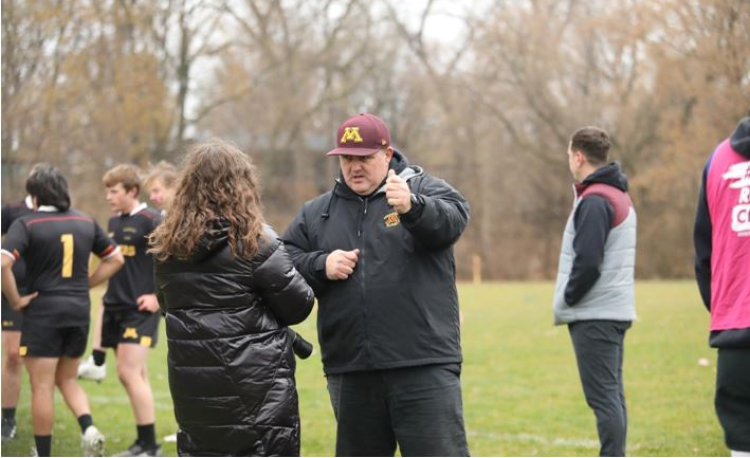
"Am I the only coach feeling stretched too thin?"
This is the first sign of feeling the effects of burnout. It wasn’t until I looked around that I noticed some of my peers were experiencing similar effects in their own environments.
Coaching can make you feel like you are on an island at times - but it doesn’t have to be that way.
After working on mitigating the tough aspects of coaching, I sought to connect with anyone who also wanted to discuss the successes and challenges we face as leaders in sport.
One of the ways we can make our world feel a little smaller and connected is by engaging other coaches.
In this article, I will describe an initiative that I created that has helped fellow coaches feel connected, challenged, and engaged with their peers.
I am not professing that I have stumbled onto something that others haven’t tried before. What I have found is that bringing together a group of people to connect takes them back to a place where we keep our ’why?’ at the forefront.
“What can I do to rekindle my love for coaching?”
After presenting on coach wellness at a conference, I met with my mentor and told them there was something missing for coaches who were struggling with the rigours of their roles.
Webinars and videos provide great content to coach, but there isn’t much on how to coach - or how to successfully navigate the situations and interactions that we deal with the most.
I mentioned that I always wanted to create a coffee club where coaches met to discuss these things, and not just the technical and tactical aspects of the sport we coach.
Their response? “You should do that".
I set about creating an interest form for the Coaches’ Coffee Club, set a day and time and then sent the form into the social media universe.
I didn’t know what would happen when I sent an open invitation to my coaching network - but the outcome has become an important window on my weekly Sunday calendar.
"The outcome has become an important window on my weekly Sunday calendar..."
“To lay the groundwork, we chalk our field”
To prevent the discussion from veering wildly off course, we set some simple ground rules.
This is what we have come up with:
- This space is to talk about our successes, challenges and experiences as coaches.
- People are encouraged to share, but it isn’t mandatory. You can share when you feel ready - or you can listen and take notes.
- The session will be on, whether you attend or not. Turning up isn’t obligatory. The club is here when you need it or can attend.
- No rabbit holes. We know what issues plague sport on a big-picture level, with such issues like tackle-height changes or referee shortages. The sessions are meant to focus on things we face in a weekly training environment, where coaching meets human interactions and conflict head-on.
"To truly get to know your fellow coaches, show them that you care to spark conversation"
I recommend a quick check-in with your group.
We use a ’green, amber, red’ check-in that I acquired from a player who participated in the exercise during an internship.
When we start the session, we indicate how we are doing by letting the group know our status. I use the chat roster to acknowledge each participant verbally and ask how they are doing:
- “Green” means you are in a good headspace and things are well.
- “Amber” means you are experiencing some stressors but are doing okay.
- “Red” means you’re not doing ok and could use more support from peers.
More often than not, people let their guard down during the check-in. Hearing that others are experiencing similar occurrences has a way of grounding the group.
If someone brings up an event or information from their week that is interesting, we try to acknowledge that or ask if we can bring that up later in the session.
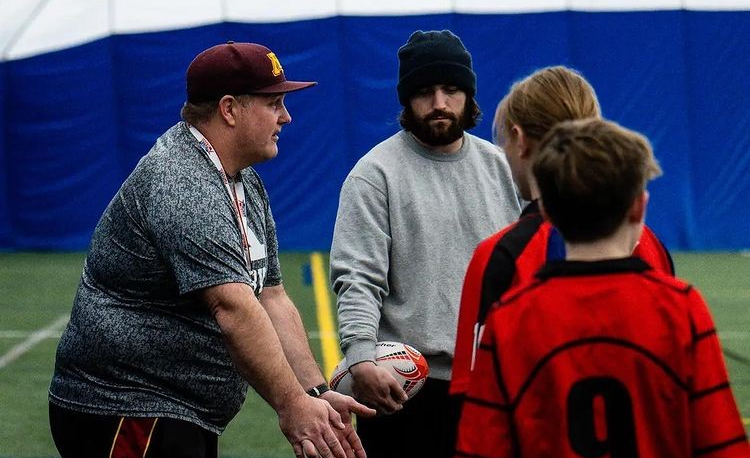
"Acknowledge what people bring to the table"
After we have a clear view of how we are doing, we open the floor for anyone that has a challenge or success they want to share.
We have had a broad spectrum of topics come up during this part of our sessions. Coaches engage the group to seek input or feedback on things such as “How have you managed heat stress for youth players?”, or “This week, I tried the strategy that was suggested and it worked well.”
This portion of the session became a non-negotiable after the first one drove our conversation for 90 minutes, when a coach asked the group how to handle a changing environment they had not sought out to create.
A great aspect to this portion is the collaboration between coaches. You truly get to see how people coach when they engage each other with questions, suggestions or validations.
"Ask and ye shall receive"
Once we are flowing and the first section has hit a good conclusion, we pose a ’Question of the Day’ (QOTD) to the group.
I brought it in as a way to spark thought and sharing. I highly recommend putting something in front of your group and see how they attack it.
"Hearing others are experiencing similar occurrences has a way of grounding the group..."
We have had wonderful discussions on questions around team environments, culture and character, identity, and how we deal with pressure. Sitting in the group and watching my peers bring up experiences and viewpoints from their careers has been awe-inspiring.
The conversations that happen during the QOTD often lead to coaches creating lists of things they want to acknowledge or comment on. There are times when the conversation can hit many angles on one topic and each new angle is a revelation.
During a recent session, we debated whether teams were unconditional or conditional love environments.
This hot topic covered both individuals in the team and those who have left; where apologies fit in; and attention distribution among the team when someone is making themselves the center of attention, whether positively or negatively.
The trick is to let things flow and go where the conversation takes the group.
"Are you doing something similar or wish to bring a group together?"
As I mentioned in my opening, creating an informal coaching network is far from a new idea.
You or someone you know may be doing something like this and I would love to know how it is working for you. Are you meeting in person or virtually? Is it a group chat?
Maybe you need a nudge to reach out to your network to start a coffee club? I am happy to provide that nudge and/or sit in and hear what you bring to the table.
The goal of the coffee club is to keep myself and the coaches I care about in the sports they love - we have coaches from soccer, American football, and track and field, as well as rugby.
Taking on the tough stuff of coaching can be a challenge. But, as one of the coaches in the coffee club says, “a burden shared is a burden halved."
Related Files

Sean Lindersmith
Latest Issue
Subscribe Today
Subscriber Testimonials
Gerald Kearney, Downtown Las Vegas Soccer Club
Paul Butler, Florida, USA

Rick Shields, Springboro, USA
Tony Green, Pierrefonds Titans, Quebec, Canada
Subscribe Today
Newsletter Sign Up
Coaches Testimonials
Gerald Kearney, Downtown Las Vegas Soccer Club
Paul Butler, Florida, USA
Rick Shields, Springboro, USA
Tony Green, Pierrefonds Titans, Quebec, Canada
Subscribe Today
Latest Issue

Discover the simple way to become a more effective, more successful soccer coach
In a recent survey 89% of subscribers said Soccer Coach Weekly makes them more confident, 91% said Soccer Coach Weekly makes them a more effective coach and 93% said Soccer Coach Weekly makes them more inspired.
*includes 3 coaching manuals
Get Weekly Inspiration
All the latest techniques and approaches


Soccer Coach Weekly offers proven and easy to use soccer drills, coaching sessions, practice plans, small-sided games, warm-ups, training tips and advice.
We've been at the cutting edge of soccer coaching since we launched in 2007, creating resources for the grassroots youth coach, following best practice from around the world and insights from the professional game.
