
 close
close


 LOGIN
LOGINManaging emotions
Players sometimes allow frustration to get the better of them. If this happens, it is important to have the right coaching response, writes TIM BRADBURY


It is hard to go more than one week as a soccer fan without witnessing another meltdown from a coach or player.
We have all been there - that moment when it all becomes too much and we lack the emotional awareness, fortitude, or discipline to hold it together.
We invent colourful phrases – ‘meltdown’, ‘throwing a tantrum’, ‘throwing your toys out of your pram/carriage’ – to encapsulate just how bad it looks.
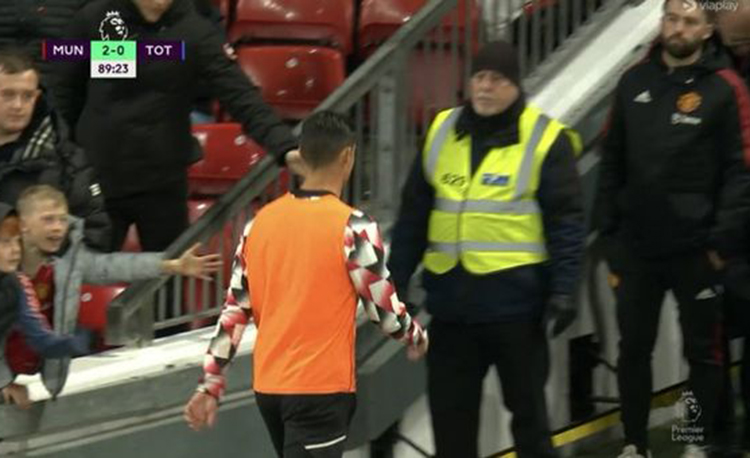
Cristiano Ronaldo made headlines once when he stormed down the tunnel at Old Trafford while a game was still going on.
He had been on the bench for Manchester United’s win over Tottenham and head coach Erik ten Hag confirmed after the game that Ronaldo had refused to come on as a late substitute.
The Portuguese icon later said his walk-out came in "the heat of the moment", but Ten Hag ordered him to train on his own briefly and he was left out of the squad for United’s next match against Chelsea.
We may not have to deal with high-profile players and their moods at grassroots level. But we may still see kids playing up, cursing out referees, parents or other players; parents verbally attacking officials; players refusing to shake hands with their opponents at the end of the game, or youngsters having some kind of breakdown during the game.
The game of soccer is full of emotions, and part of our role as coaches is supporting our players through their emotions.
There are practical steps we can take to do so – most of which should be done before the moment of meltdown.
On a team level, be sure to establish a minimum standard of behaviour. These could be based on three or four core values created by the team, allowing them more buy-in.
"Part of our role as coaches is supporting our players through their emotions..."
Once you have these values, you can then provide examples of how they can be actioned in practice. If being considerate is one of your values, for example, you could praise players for helping to collect the cones after practice, citing it as an example of considerate behaviour.
When the values have been agreed to and consolidated, you can then have an open and honest discussion with your squad about what should happen when people fall below the minimum standards established by the group.
You could create a word or phrase to be used by members of the group when they sense things might be about to boil over – this gives all players a chance to hold each other accountable.
You can take further action to support individuals you feel might be more susceptible to meltdowns. Have an honest conversation with them – talk to them about how and why they might get so emotional. Don’t be afraid to talk about your emotions, too, if you think it will help.
You can then explain how important it is, in a sporting context, that they learn to focus their energy and channel their emotions.
Sharing techniques to manage their emotions – self-talk or visualization, for example – may also be helpful.
Finally, talk more about what to do if their emotions might boil over. Ask them how they would like you to help in those moments, agree on what behaviours you will employ at the moment of meltdown and how it will be dealt with when the moment has passed.
All of this pre-emptive action will stand you in good stead to manage any training or matchday meltdowns.
They are never fun to deal with, but if you deal with them the way you’ve agreed to do so, your players can have no complaints.
Related Files

Tim Bradbury
Latest Issue
Subscribe Today
Subscriber Testimonials

Gerald Kearney, Downtown Las Vegas Soccer Club

Paul Butler, Florida, USA

Rick Shields, Springboro, USA

Tony Green, Pierrefonds Titans, Quebec, Canada
Subscribe Today
Newsletter Sign Up


Subscribe Today
Latest Issue
Discover the simple way to become a more effective, more successful soccer coach
In a recent survey 89% of subscribers said Soccer Coach Weekly makes them more confident, 91% said Soccer Coach Weekly makes them a more effective coach and 93% said Soccer Coach Weekly makes them more inspired.
*includes 3 coaching manuals
Get Weekly Inspiration
All the latest techniques and approaches


Soccer Coach Weekly offers proven and easy to use soccer drills, coaching sessions, practice plans, small-sided games, warm-ups, training tips and advice.
We've been at the cutting edge of soccer coaching since we launched in 2007, creating resources for the grassroots youth coach, following best practice from around the world and insights from the professional game.
