
 close
close


 LOGIN
LOGINThe importance of action-specific praise
If you are congratulating your players for doing something well, make sure they know exactly why, writes youth coach Rob Porter.


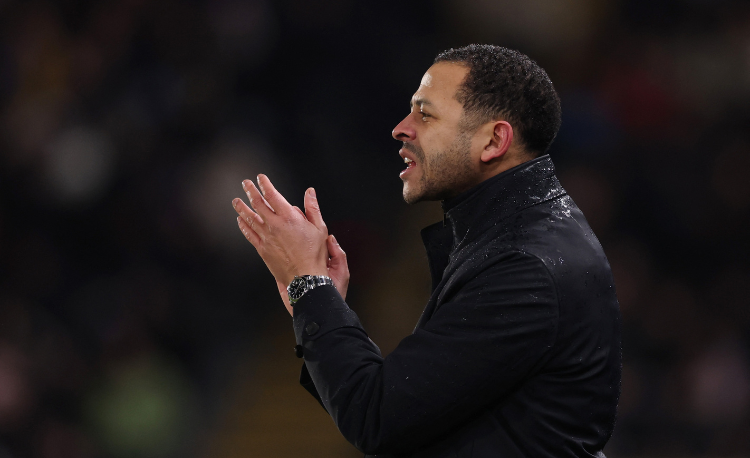
Being specific with my praise during both matches and training sessions is an area I have been focusing on after being challenged on it by my club’s technical director.
He came to watch a match and I was taking the role of the vocally encouraging coach, while my buddy coach was focusing on the technical and tactical challenges we had set the team.
One of our players beat an opposition player 1v1 on the left wing and then delivered a cross which went straight to the goalkeeper.
I praised her, saying “well done!”, only for the technical director to ask me if she knew what I was praising her for. The 1v1 skill move was good; taking her last touch inside to create a better angle for the cross had also been good. On this occasion, the cross had been too close to the goalkeeper.
This really got me thinking, so I asked my players if they knew or understood what actions they were being praised for on the occasions I hadn’t been specific with my communication. A few knew and understood but the vast majority, particularly during matches, had no idea.
This can cause confusion, and lead players to think a wrong decision, or an action which had been executed poorly, had been praised by the coach.
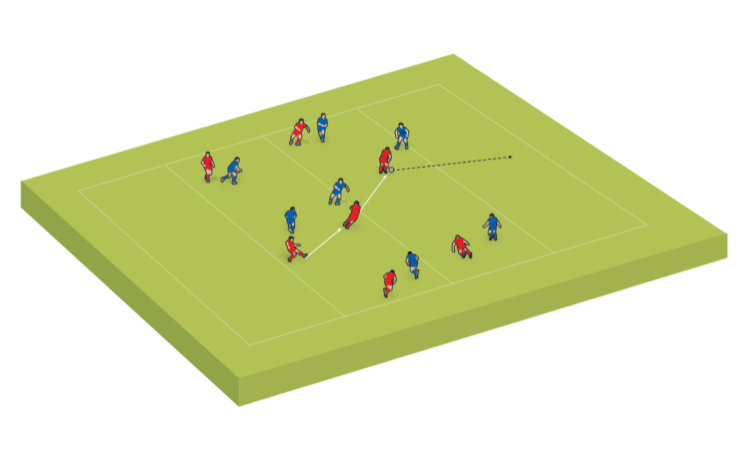
For example, if a player takes a good first touch to the safe side but then boots the ball out while under-pressure - and then gets praised - they may not appreciate which action they were being praised for. This is especially true for foundation phase players, or older age-group players who are new to the game.
By praising the specific action, players get a better understanding of what they are being successful at.
It may seem obvious - but for a child who is constantly seeing an ever-moving puzzle in front of them on the pitch while having to make lots of decisions every few seconds, it isn’t always the case.
Although I will praise an action I feel is outstanding, I will mainly reserve my praise for actions linked to our training session topic or matchday objectives. That way, we can really drill down into what they are doing well from the outcomes we are looking to achieve.
An example of this would be if we were working on 1v1 defending and a player made the correct decision on where to show an opponent, depending on where they are on the pitch, or if they’ve used a good body shape.
I find it easier to keep my praise specific during training sessions, but harder on matchdays. I have taken to putting reminders on my phone which then show up on my smart watch.
I also record myself and listen back afterwards - this lets me see how well I’m communicating.
Another interesting idea, if you are feeling brave, is to get your substitutes to listen to you and either correct you, or count the number of times you’re using general or specific praise.
Being more specific with your praise can really benefit your players and help them recognise good technique and decision-making. It’s a tool that is definitely worth adding to your coaching toolbox.
Specific Praise
"That was a really good use of your body and limbs to stay on the ball under pressure..."
"That was a great idea to use a body faint while taking on the defender 1v1..."
"Well done for keeping the ball on the safe side of the defender while dribbling..."
Related Files

Rob Porter
Latest Issue
Subscribe Today
Subscriber Testimonials

Gerald Kearney, Downtown Las Vegas Soccer Club

Paul Butler, Florida, USA

Rick Shields, Springboro, USA

Tony Green, Pierrefonds Titans, Quebec, Canada
Subscribe Today
Newsletter Sign Up
Subscribe Today
Latest Issue
Discover the simple way to become a more effective, more successful soccer coach
In a recent survey 89% of subscribers said Soccer Coach Weekly makes them more confident, 91% said Soccer Coach Weekly makes them a more effective coach and 93% said Soccer Coach Weekly makes them more inspired.
*includes 3 coaching manuals
Get Weekly Inspiration
All the latest techniques and approaches


Soccer Coach Weekly offers proven and easy to use soccer drills, coaching sessions, practice plans, small-sided games, warm-ups, training tips and advice.
We've been at the cutting edge of soccer coaching since we launched in 2007, creating resources for the grassroots youth coach, following best practice from around the world and insights from the professional game.
