
 close
close


 LOGIN
LOGINWhat is covering?
SCW’s consultant coach Carl Wild provides a first-timer’s guide to being the ’second defender’ - and why distances, angles and communication are all vital.
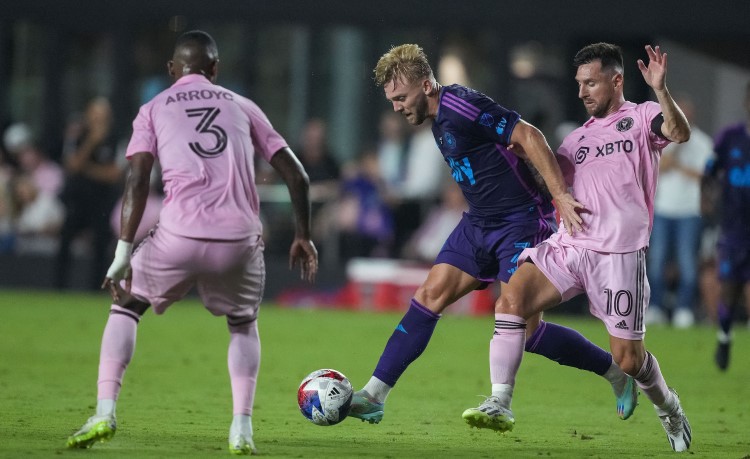
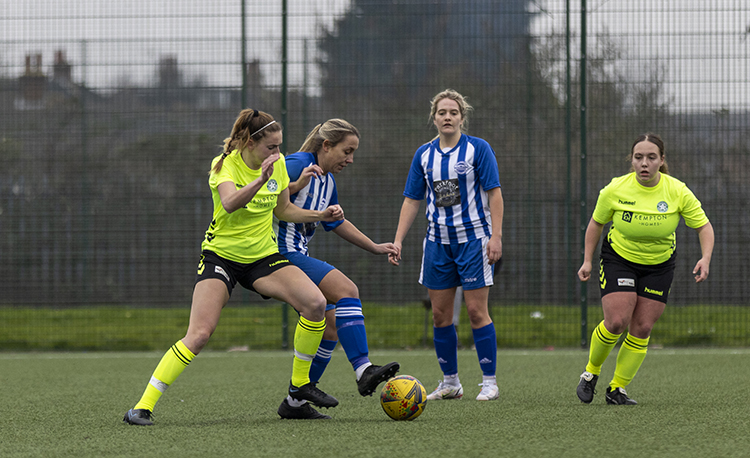
When a player is covering, they are providing support to a team-mate who is engaging the opponent on the ball.
In these situations, the player closing down the opposition player with the ball is referred to as the first defender and their team-mate who is covering is known as the second defender.
From a covering position, the second defender can perform a number of roles to help their team prevent the opposition from progressing.
Why do we need to cover?
When a player is not required to engage the player on the ball, because a team-mate is already doing so, they may think that, instead, they should mark another player. The logic is that this player might receive the ball next.
In fact, the danger is still the player on the ball. The reason, of course, is that there is a possibility this player may be able to go past the defender who has closed them down and, if they do so, they are then in an advantageous situation.
Therefore, in this instance, the second defender should aim to put themselves in a position where they can close down the opponent should that player get past the first defender.
Their position will also allow them to close off space the attacking player might look to travel into or pass the ball through.
Additionally, the second defender may put themselves in a position where if the ball is passed to another opponent, they are best placed to close this player down and become the first defender.
How do we cover?
In order for a second defender to be able to provide cover for the first defender, they should be positioned ready to engage the player on the ball, should that player go past the first defender - while also being able to get across to another attacking player if the ball is passed in that direction.
Therefore, the key details that the players need to get right are the distance between them and the first defender, and the angle they are at.
Distance and angle
First of all, the second defender cannot get too close to the first defender. If they do, it provides the player on the ball with an opportunity to beat both defenders in the same movement.
Equally, if the two defenders are too far apart, it will leave the first defender isolated and create a 1v1 situation.
Being the correct distance away allows the second defender time to react to the attacker getting past the first defender, stepping across before they are able to get away.
The angle between the first and second defender is just as important. It will create similar problems if not executed correctly.
Be a more effective, more successful youth soccer coach
- Win more games, without sacrificing the crucial element of fun
- Develop every player, regardless of vast differences in ability
- Run a respected, professional programme - even with a full-time job and limited time
Subscribe for full access
Or register and unlock 2 free articles,
receive our weekly newsletter, and
get a FREE coaching e-book.
Or if you are already a subscriber login for full access.

Carl Wild
Latest Issue
Subscribe Today
Subscriber Testimonials

Gerald Kearney, Downtown Las Vegas Soccer Club

Paul Butler, Florida, USA

Rick Shields, Springboro, USA

Tony Green, Pierrefonds Titans, Quebec, Canada
Subscribe Today
Newsletter Sign Up

Coaches Testimonials
Gerald Kearney, Downtown Las Vegas Soccer Club
Paul Butler, Florida, USA
Rick Shields, Springboro, USA
Tony Green, Pierrefonds Titans, Quebec, Canada
Subscribe Today
Latest Issue
Discover the simple way to become a more effective, more successful soccer coach
In a recent survey 89% of subscribers said Soccer Coach Weekly makes them more confident, 91% said Soccer Coach Weekly makes them a more effective coach and 93% said Soccer Coach Weekly makes them more inspired.
*includes 3 coaching manuals
Get Weekly Inspiration
All the latest techniques and approaches


Soccer Coach Weekly offers proven and easy to use soccer drills, coaching sessions, practice plans, small-sided games, warm-ups, training tips and advice.
We've been at the cutting edge of soccer coaching since we launched in 2007, creating resources for the grassroots youth coach, following best practice from around the world and insights from the professional game.
