
 close
close


 LOGIN
LOGINYou are viewing 1 of 1 free articles
5 ways to power up your advice
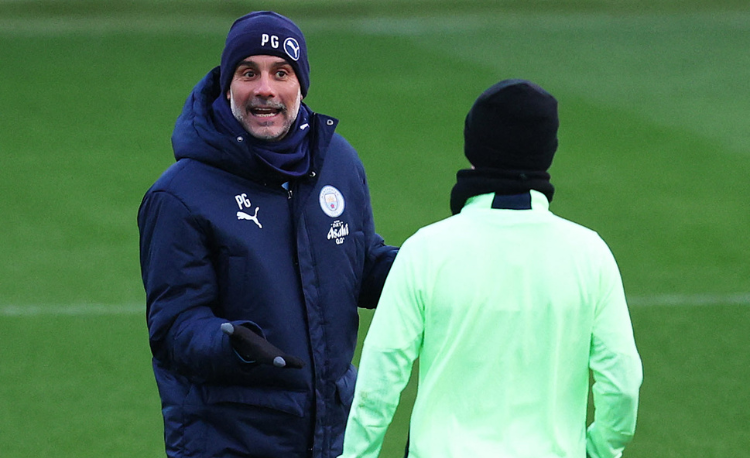
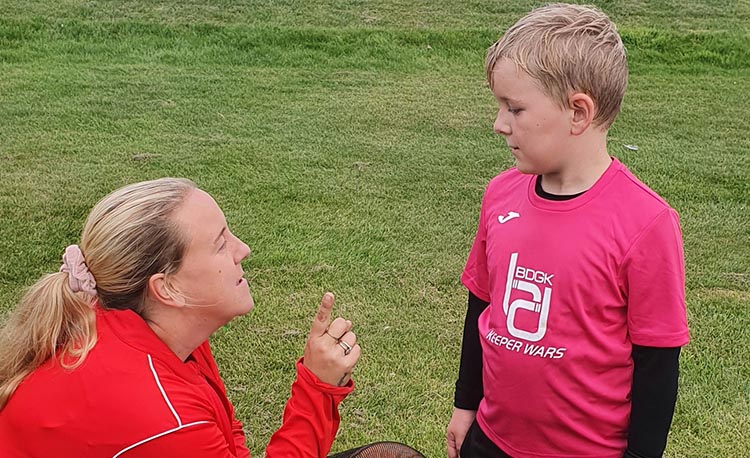
Coaches are often givers of advice. Dan Cottrell offers five ways to make sure your words are constructive and give players a good chance to take on board your thoughts.


1 – Be timely
Give the advice as close to the situation as possible to make it relevant. Too long after and it can lose some or all of its sense.
2 – Be precise
Talk about specific points and not too many of them. Give the person a key take away to consider.
3 – Be direct
Leave the listener in no doubt that you are giving the advice and what the purpose of that advice is. Uncertainty might put the person in doubt of your sincerity.
4 – Be from somewhere
Tell the listener the context of your advice, why you are saying it, why you are able to say it and if you can give some examples. The listener will understand better if they know your motivations for giving the advice.
5 – Be discreet
Any advice needs to be given personally and in an atmosphere that lets the listener have a chance to hear and respond. Don’t be rushed. Give the listener time to take in what you are saying.
FOR EXAMPLE...
“Hey, Dominic, can I have a quick word? (discreet)
Well played yesterday (timely).
Watching how you defended 1v1 in midfield areas (precise), I felt you needed to adjust body shape to force wide.
You’d be better off (direct) with a side-on body shape, pushing the attacker one way, rather than being square-on (precise), like you might see Trent Alexander-Arnold do (from somewhere).”
Should they take on your advice?
Actually, the best advice is not always taken on board. That, if you are a good coach, should not matter if you value your relationship with the players.
Advice is not an order or a stipulation. It is a softer form of persuasion to develop a player. It is up to them whether they want to improve and then whether they sense that your advice is pertinent to their improvement.
There is nothing worse than a coach who says: “I told you so”. If players refuse to listen or do something opposite, let them. They should be able to make their own mistakes and learn by them. Of course, your advice might be the wrong advice for them anyway.
Overall, keep your advice short, direct and move on. The more you rattle on, the less useful the player and players find your words. It just becomes a stream of consciousness to them and they’re likely to check out of listening.
Think of the times you’ve received good advice: where you received it, who gave it and why you listened at the time. That’s a pretty good guide to your own approach.
Why not use questions instead?Questions are a powerful tool to engage the player and to help them verbalise their own thoughts. Good questions draw out ideas which the player is more likely to take one if it is them who has expressed it.
Advice comes from you. It’s quick and to the point where questioning requires more time and the outcomes aren’t so certain.
Your coaching style should embrace both. You change the momentum of your conversation to suit the moment, the player and the perceived outcome. |
Related Files

Dan Cottrell
Latest Issue
Subscribe Today
Subscriber Testimonials

Gerald Kearney, Downtown Las Vegas Soccer Club

Paul Butler, Florida, USA

Rick Shields, Springboro, USA

Tony Green, Pierrefonds Titans, Quebec, Canada
Subscribe Today
Newsletter Sign Up

Coaches Testimonials
Gerald Kearney, Downtown Las Vegas Soccer Club
Paul Butler, Florida, USA
Rick Shields, Springboro, USA
Tony Green, Pierrefonds Titans, Quebec, Canada
Subscribe Today
Latest Issue

Discover the simple way to become a more effective, more successful soccer coach
In a recent survey 89% of subscribers said Soccer Coach Weekly makes them more confident, 91% said Soccer Coach Weekly makes them a more effective coach and 93% said Soccer Coach Weekly makes them more inspired.
*includes 3 coaching manuals
Get Weekly Inspiration
All the latest techniques and approaches


Soccer Coach Weekly offers proven and easy to use soccer drills, coaching sessions, practice plans, small-sided games, warm-ups, training tips and advice.
We've been at the cutting edge of soccer coaching since we launched in 2007, creating resources for the grassroots youth coach, following best practice from around the world and insights from the professional game.
