
 close
close


 LOGIN
LOGINThe FA’s 'FutureFit': get ready for next season
With the English FA’s new grassroots football structure set to start at the beginning of the 2026-27 season, here’s a reminder of what’s changing, and some tips on how you can get prepared...
In 2012, the Football Association (FA) unveiled significant changes to the structure of youth soccer in England, with a view to increasing the importance of learning and development.
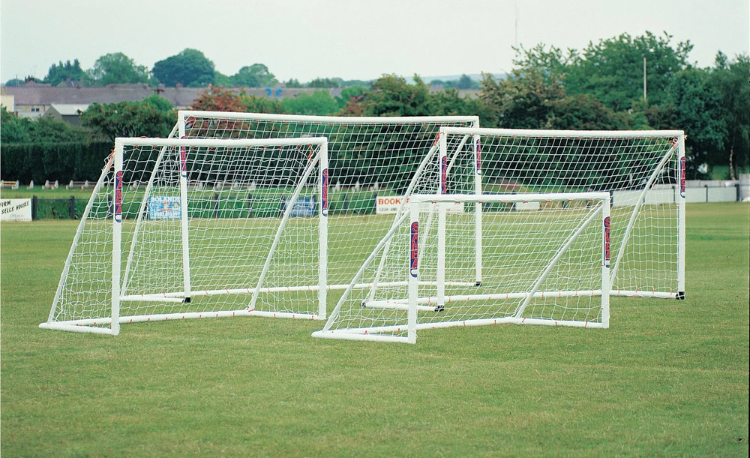
It made small-sided formats for certain age groups mandatory, alongside the introduction of smaller pitches and smaller goals.
In late 2025, the FA announced plans to once again improve the grassroots game across the country.
Following a two-year consultation process, research and testing throughout grassroots soccer in England, and reviews of studies into playing formats for youth players in other European nations, the FA announced the details of its FutureFit strategy.
According to the governing body, the plan will “tailor youth football to fit even better, and mean more for all young players in England.”
The changes will come into place from the 2026-27 season, with clubs currently preparing for the new set up.
What are the changes?
FutureFit will see...
• A new 3v3 entry format for the youngest players in the pathway, U7s
• Each format will be played one year later as players transition through the pathway, so:
o 5v5 will start at U8s
o 7v7 will start at U10s
o 9v9 will start at U12s
o 11v11 will start at U14s
• Greater alignment with schools, with children playing smaller formats with simplified rules throughout primary school (U4s-U11s), before progressing to 9v9 and more complex rules at secondary school (U12s-U18s)
• Evolved Laws of the Game that are age-appropriate and best support the overall development of young players – for example, the new touchline restart rule which came into effect for U7-U9s in the 2024-25 season.
How will different age groups be affected?
The table below depicts what these changes will look like for each age group between the current season (2025-26) and next season (2026-27) and beyond.
Be a more effective, more successful youth soccer coach
- Win more games, without sacrificing the crucial element of fun
- Develop every player, regardless of vast differences in ability
- Run a respected, professional programme - even with a full-time job and limited time
Subscribe for full access
Or register and unlock 2 free articles,
receive our weekly newsletter, and
get a FREE coaching e-book.
Or if you are already a subscriber login for full access.

Soccer Coach Weekly
Latest Issue

Subscribe Today
Subscriber Testimonials

Gerald Kearney, Downtown Las Vegas Soccer Club

Paul Butler, Florida, USA

Rick Shields, Springboro, USA

Tony Green, Pierrefonds Titans, Quebec, Canada
Subscribe Today
Newsletter Sign Up





Coaches Testimonials
Gerald Kearney, Downtown Las Vegas Soccer Club
Paul Butler, Florida, USA
Rick Shields, Springboro, USA
Tony Green, Pierrefonds Titans, Quebec, Canada
Subscribe Today
Latest Issue

Discover the simple way to become a more effective, more successful soccer coach
In a recent survey 89% of subscribers said Soccer Coach Weekly makes them more confident, 91% said Soccer Coach Weekly makes them a more effective coach and 93% said Soccer Coach Weekly makes them more inspired.
*includes 3 coaching manuals
Get Weekly Inspiration
All the latest techniques and approaches


Soccer Coach Weekly offers proven and easy to use soccer drills, coaching sessions, practice plans, small-sided games, warm-ups, training tips and advice.
We've been at the cutting edge of soccer coaching since we launched in 2007, creating resources for the grassroots youth coach, following best practice from around the world and insights from the professional game.
