
 close
close


 LOGIN
LOGIN
Skills in focus: Challenging
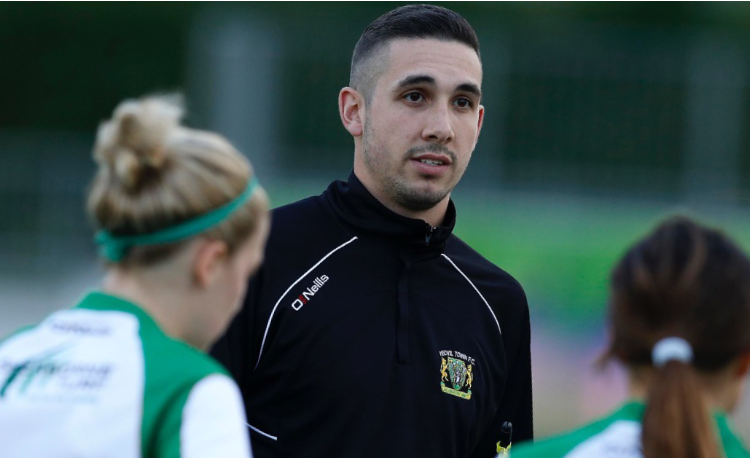
Cape Town FC coach Moritz Kossmann discusses with Steph Fairbairn the role that strength and decision-making plays in winning physical 1v1 contests.




Opening: Why Challenging Matters in Football
Moritz: Hi, thank you for having me.
Steph: Great to have you back. I’m really excited about this one. This time we’re talking about challenging and why it’s so important to the game.
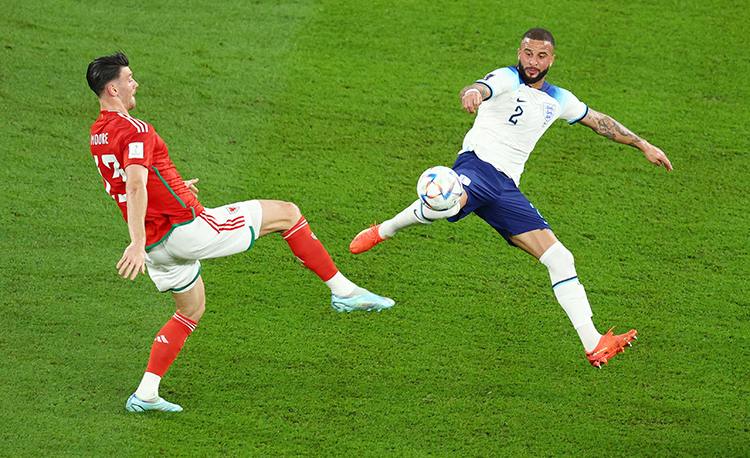
Moritz: I think challenging is obviously the physical part of a one-v-one situation between two players — a defender and an attacker. Usually, the challenge is initiated by the defender in an attempt to physically win the ball against an opponent who is protecting or carrying it.
By definition, it involves initiating physical contact, and there’s a lot of nuanced detail to that. Players need to learn this as they go through their junior development because football — or soccer — is a physical game. We need to develop players at all levels who are comfortable with physical contact.
I think there’s perhaps an old association of physical contact with going to ground and making crunching sliding tackles, which is obviously one possible way of challenging an opponent. But it’s certainly not the only way, and it’s most likely not the most effective way.
Physical contact is crucial. Obviously, doing it within the rules of the game — and not giving away needless free kicks — is very key.
How Physicality in Challenges Has Changed
Steph: That element of physicality — and what is appropriate in a challenge — how has that changed over the years?
Moritz: Sliding tackles are increasingly a last-resort action. Surfaces are better, refereeing is stricter, and players have more control of the ball.
If I slide and miss, I’m on the ground. It’s all or nothing. That’s why defenders now must be better at staying on their feet and defending intelligently.
For coaches working on this idea of controlled ball-winning rather than reckless tackling, a session like Practice: Winning the ball in midfield reinforces timing and control in defensive duels.
Why Upper-Body Contact Is Essential in 1v1 Defending
Moritz: Players are much more likely to concede fouls if they go into tackles with just their legs. Challenging should primarily involve the upper body.
If you only go with your leg, you expose it and increase injury risk. If you go in with your upper body and leg together — initiating contact and supporting your structure — you’re more likely to win the ball cleanly.
This also links to shielding and body positioning under pressure. Coaches can reinforce this with practices such as The Shield, which teaches players how to use their body effectively in contact situations.
Timing the Challenge: Don’t Dive In
Steph: We often hear “don’t dive in.” How do we teach timing?
Moritz: The player who initiates contact often has the advantage. Challenging as the opponent receives the ball can overload them technically.
If they’re dribbling, the best moment is often between touches — when there’s separation between player and ball.
But if the attacker has a speed advantage and is pushing the ball past you, that might be the moment to go to ground — if the ball is exposed.
These principles are closely connected to pressing behaviour and defensive support. A warm-up such as Pressing and Covering helps players understand when to engage and when to delay.
Recovery After the Challenge: Defensive Intensity
Steph: Once you’ve challenged, what next?
Moritz: Make another action quickly. Defensive intensity is built on repeat efforts.
If you can’t win it immediately, guide the opponent wide, onto their weaker foot, or away from teammates.
This idea of immediate reaction and regaining control is central to counter-pressing principles. Coaches can build this through games like Small-sided game: Counter pressing, which forces repeated defensive actions in transition moments.
Helping Players Build Confidence in Contact
Steph: What about players who are scared of contact?
Moritz: At grassroots level, success is about long-term enjoyment. Encourage them without forcing it.
Before increasing physical contact demands, build confidence under pressure first. A practice like Warm-up: Staying on the ball develops comfort under defensive pressure before layering in stronger contact.
Final Thoughts on Coaching Challenging
Moritz: Encourage comfort with physical contact — but always within the rules of the game.
Train it within realistic game contexts. Don’t overtrain it. Balance intensity with clean football solutions.
Steph: Brilliant. Thank you so much, Moritz.
Moritz: Thank you very much.
Previous Episodes



Coaches' Testimonials

Gerald Kearney, Downtown Las Vegas Soccer Club

Paul Butler, Florida, USA

Rick Shields, Springboro, USA

Tony Green, Pierrefonds Titans, Quebec, Canada

Discover the simple way to become a more effective, more successful soccer coach
In a recent survey 89% of subscribers said Soccer Coach Weekly makes them more confident, 91% said Soccer Coach Weekly makes them a more effective coach and 93% said Soccer Coach Weekly makes them more inspired.
*includes 3 coaching manuals
Get Weekly Inspiration
All the latest techniques and approaches


Soccer Coach Weekly offers proven and easy to use soccer drills, coaching sessions, practice plans, small-sided games, warm-ups, training tips and advice.
We've been at the cutting edge of soccer coaching since we launched in 2007, creating resources for the grassroots youth coach, following best practice from around the world and insights from the professional game.
